



Explore AI Development

Explore AI Development: Insights into Trends, Business Integration, and Career Opportunities
Artificial Intelligence (AI) is rapidly transforming industries and reshaping the future of work. As organizations increasingly adopt AI technologies, understanding the latest trends and their implications becomes crucial. This article delves into the current landscape of AI development, exploring emerging technologies, machine learning applications, and the integration of AI into business strategies. Readers will gain insights into how AI can enhance competitive advantage and the career opportunities that arise from this evolving field. With the right knowledge, businesses can navigate the complexities of AI integration, while individuals can position themselves for success in AI-related careers. We will cover the latest trends in AI, the technologies driving innovation, and the skills needed for a successful career in this dynamic sector.
What are the Latest Artificial Intelligence Trends Shaping 2024 and Beyond?
The landscape of artificial intelligence is continuously evolving, with several key trends emerging for 2024 and beyond. These trends include the increasing adoption of AI in various sectors, the rise of ethical AI practices, and the integration of AI with other technologies such as blockchain and the Internet of Things (IoT). As businesses seek to leverage AI for operational efficiency, the focus on responsible AI development is becoming paramount. This includes ensuring transparency, accountability, and fairness in AI systems, which is essential for building trust among users and stakeholders.
Which Emerging AI Technologies Are Driving Innovation?
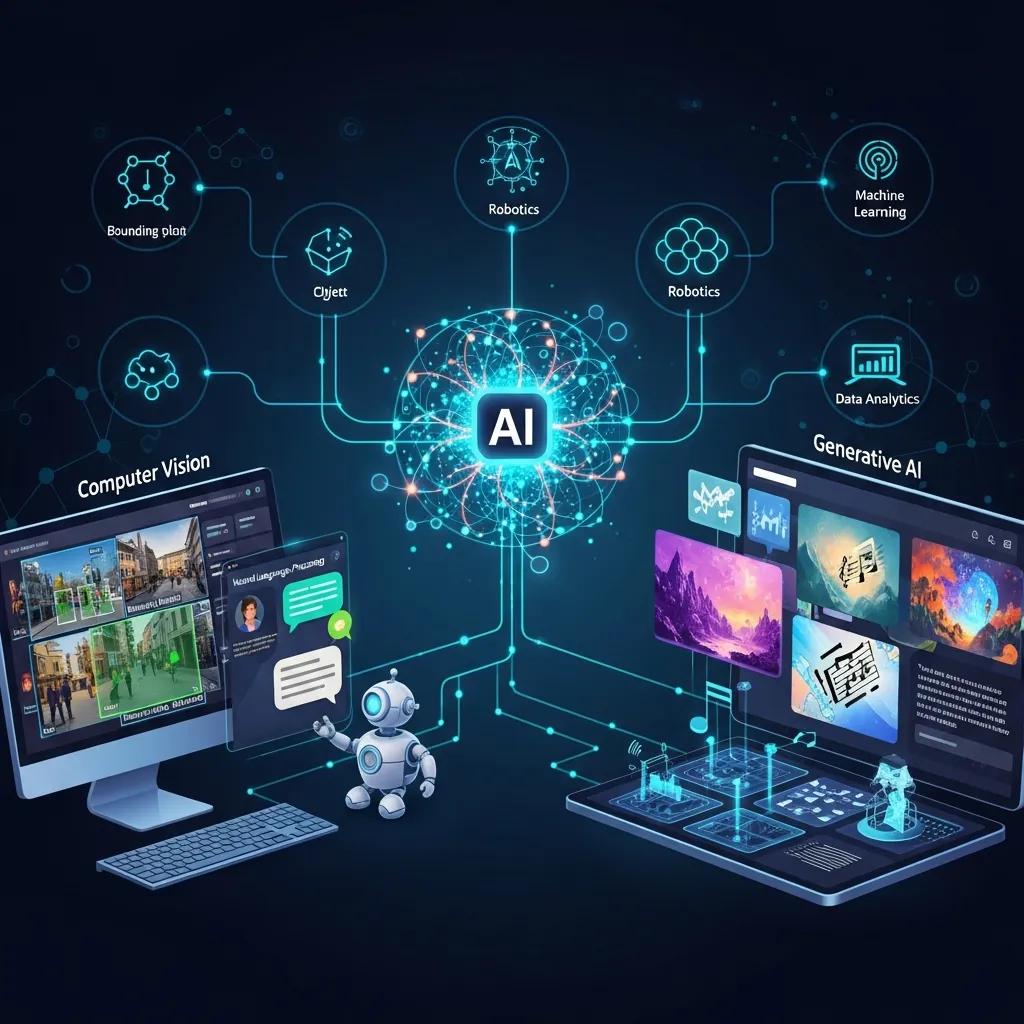
Several emerging AI technologies are at the forefront of innovation, significantly impacting various industries. These include:
- Natural Language Processing (NLP): Enhancing human-computer interaction through improved understanding of human language.
- Computer Vision: Enabling machines to interpret and make decisions based on visual data, widely used in healthcare and security.
- Generative AI: Creating new content, from text to images, revolutionizing creative industries and content generation.
These technologies are not only driving efficiency but also opening new avenues for business applications and customer engagement.
How Are Machine Learning Applications Evolving Across Industries?
Machine learning (ML) applications are evolving rapidly, with significant advancements across various sectors. In healthcare, ML algorithms are being used for predictive analytics, improving patient outcomes through personalized medicine. In finance, machine learning models enhance fraud detection and risk assessment, enabling more secure transactions. Additionally, the manufacturing sector is leveraging ML for predictive maintenance, reducing downtime and operational costs. As these applications continue to mature, they are reshaping how industries operate and deliver value to customers.
How Can Businesses Effectively Integrate AI for Competitive Advantage?
Integrating AI into business operations can provide a significant competitive advantage. Companies that successfully adopt AI technologies can streamline processes, enhance decision-making, and improve customer experiences. However, effective integration requires a strategic approach that includes:
- Identifying Use Cases: Understanding where AI can add value within the organization.
- Investing in Infrastructure: Ensuring the necessary technological framework is in place to support AI initiatives.
- Fostering a Data-Driven Culture: Encouraging data literacy and analytics capabilities among employees.
By focusing on these areas, businesses can harness the full potential of AI to drive innovation and growth.
This strategic approach is further supported by research exploring how AI trends and applications can be leveraged for strategic management and enhanced business competitiveness, especially in dynamic environments.
AI Trends & Strategic Business Integration for Competitiveness
This study investigates the evolving trends and potential applications of artificial intelligence (AI) in strategic management, particularly under crisis conditions, to stabilize and enhance business competitiveness. It delves into the various areas where AI can be applied in business process management, with a special focus on how innovations driven by machine learning affect the strategic aspects of company operations. The research provides recommendations for securing competitive advantages and optimizing the use of limited resources.
Evaluating the opportunities and risks of artificial intelligence in strategic management and business integration, 2024
Information Hub positions itself as a knowledge platform focused on delivering insightful, purpose-driven content related to AI development. By providing resources and guidance, Information Hub helps organizations navigate the complexities of AI integration, ensuring they remain competitive in an increasingly digital landscape.
What Strategies Enable Successful AI Business Integration?
Successful AI integration requires a well-defined strategy that encompasses several key elements:
- Leadership Commitment: Strong support from leadership is essential for driving AI initiatives.
- Cross-Functional Collaboration: Engaging various departments ensures that AI solutions meet diverse business needs.
- Continuous Learning and Adaptation: Organizations must be willing to adapt their strategies based on evolving AI capabilities and market demands.
These strategies not only facilitate smoother integration but also enhance the overall effectiveness of AI initiatives.
Which AI Tools and Technologies Facilitate Enterprise Adoption?
To effectively adopt AI, businesses can leverage various tools and technologies that streamline implementation and enhance functionality. Some popular AI tools include:
| Tool | Feature | Application |
|---|---|---|
| TensorFlow | Open-source library for machine learning | Model development and training |
| IBM Watson | AI platform for business applications | Natural language processing and data analysis |
| Microsoft Azure AI | Cloud-based AI services | Scalable AI solutions for enterprises |
These tools provide organizations with the necessary resources to implement AI solutions effectively, driving innovation and efficiency.
What Career Opportunities and Growth Paths Exist in AI Development?

The rise of AI has created numerous career opportunities across various fields. Professionals can pursue roles such as:
- Data Scientist: Analyzing complex data sets to inform business decisions.
- Machine Learning Engineer: Developing algorithms and models for AI applications.
- AI Ethicist: Ensuring ethical considerations are integrated into AI development.
As the demand for AI expertise continues to grow, individuals with the right skills and knowledge will find ample opportunities for career advancement.
How to Start and Advance a Career in Artificial Intelligence?
Starting a career in AI requires a combination of education, practical experience, and networking. Aspiring professionals should consider the following steps:
- Educational Pathways: Pursuing degrees in computer science, data science, or related fields.
- Hands-On Experience: Engaging in internships or projects that provide practical exposure to AI technologies.
- Networking Opportunities: Joining professional organizations and attending industry conferences to connect with experts in the field.
By following these steps, individuals can build a strong foundation for a successful career in AI.
Which Skills and Roles Are Most In-Demand in AI Careers?
The demand for AI professionals is growing, with specific skills and roles becoming increasingly sought after. Key skills include:
- Programming Languages: Proficiency in languages such as Python and R is essential for data analysis and model development.
- Statistical Analysis: Understanding statistical methods is crucial for interpreting data and making informed decisions.
- Machine Learning Techniques: Familiarity with various ML algorithms and frameworks is vital for developing effective AI solutions.
Roles such as data analysts, AI researchers, and software developers are particularly in demand, reflecting the diverse applications of AI across industries.
Further emphasizing the burgeoning opportunities, a recent study highlights the increasing demand for skilled professionals in AI, ML, and Data Science, outlining diverse career pathways.
AI, ML, & Data Science Careers: Demand & Pathways
The demand for skilled professionals in the fields of Artificial Intelligence (AI), Machine Learning (ML), and Data Science (DS) is on an unexpected rise. The convergence of big data, powerful computing, and cutting-edge algorithms has given rise to AI/ML/DS as pivotal drivers of innovation across industries. In this dynamic landscape, the education and career pathways are as diverse as the applications themselves. Understanding the core competencies required, the avenues for learning and growth, and the burgeoning job opportunities is essential for anyone considering a career in these fields.
Career in Artificial Intelligence, Machine Learning, and Data Science, 2024
What Ethical and Governance Considerations Impact AI Development?
As AI technologies advance, ethical and governance considerations become increasingly important. Organizations must address issues such as:
- Bias in AI Algorithms: Ensuring fairness and equity in AI decision-making processes.
- Data Privacy: Protecting user data and maintaining transparency in data usage.
- Accountability: Establishing clear guidelines for responsibility in AI outcomes.
By prioritizing these considerations, organizations can foster trust and ensure the responsible development of AI technologies.
Indeed, the importance of addressing these ethical challenges is underscored by frameworks that guide responsible AI deployment, ensuring public trust and sustainable business transformation.
Ethical AI Deployment: Frameworks for Business Transformation
AI is transforming how organizations operate, make choices, and compete in today’s innovative world. AI approaches like machine learning, natural language processing, and robots may boost corporate efficiency, creativity, and client personalization. These advantages come with issues and problems that organizations must solve to guarantee ethical usage and public confidence. AI in business raises several ethical issues. It includes data privacy, biased algorithms, transparency, accountability, and social and economic effects on employment and equality. AI affects stakeholders like workers, consumers, and society. Thus, adopting AI into company processes requires a management structure that addresses these issues.
Ethical practices of artificial intelligence: A management framework for responsible AI deployment in businesses, A Tripathi, 2025
Why Is AI Ethics Critical for Sustainable Innovation?
AI ethics plays a crucial role in promoting sustainable innovation. By addressing ethical concerns, organizations can:
- Build Trust: Establishing ethical AI practices fosters trust among users and stakeholders.
- Enhance Reputation: Companies that prioritize ethics are more likely to attract customers and talent.
- Drive Long-Term Success: Ethical considerations contribute to sustainable business practices and long-term growth.
Incorporating ethics into AI development is essential for creating technologies that benefit society as a whole.
How Do Governance Frameworks Shape AI Deployment?
Governance frameworks are essential for guiding the responsible deployment of AI technologies. These frameworks help organizations:
- Establish Standards: Defining best practices for AI development and implementation.
- Ensure Compliance: Adhering to legal and regulatory requirements related to data usage and AI applications.
- Promote Accountability: Creating mechanisms for accountability in AI decision-making processes.
By implementing robust governance frameworks, organizations can navigate the complexities of AI deployment while minimizing risks.
What Is the Future of AI Technology and Its Business Implications?
The future of AI technology holds significant promise, with advancements expected to reshape industries and business models. Key trends include:
- Increased Automation: AI will continue to automate routine tasks, allowing employees to focus on higher-value activities.
- Enhanced Personalization: Businesses will leverage AI to deliver more personalized customer experiences.
- Greater Collaboration: AI technologies will facilitate collaboration between humans and machines, driving innovation.
These developments will have profound implications for how businesses operate and compete in the marketplace.
Which Market Trends and Statistics Forecast AI Growth Through 2026?
Market trends indicate robust growth in the AI sector, with projections suggesting that the global AI market will reach $190 billion by 2025. Key statistics include:
- Investment Growth: Companies are expected to increase their AI investments by over 30% annually.
- Job Creation: The demand for AI-related jobs is projected to grow by 22% through 2030.
- Sector Adoption: Industries such as healthcare, finance, and retail are leading the way in AI adoption.
These trends highlight the significant impact of AI on the global economy and the opportunities it presents for businesses and professionals alike.
How Will AI Transform Business Leadership and Decision Making?
AI is set to transform business leadership and decision-making processes. By providing data-driven insights, AI enables leaders to make more informed decisions, enhancing strategic planning and operational efficiency. Additionally, AI tools can facilitate real-time analysis of market trends, allowing businesses to adapt quickly to changing conditions. As AI continues to evolve, its role in shaping leadership practices and decision-making frameworks will become increasingly critical.